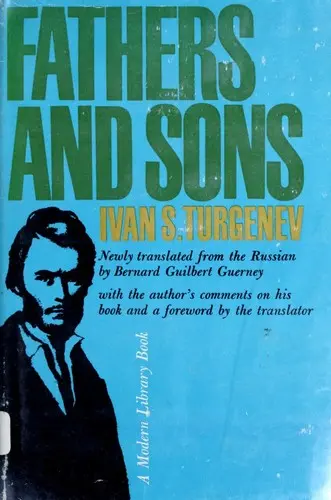
Fathers and Sons
Ivan Turgenev · 1862
The original generational conflict novel. A nihilist son returns home and clashes with his liberal father in 1860s Russia. The word "nihilism" entered common use from this 1862 book. Turgenev meant Bazarov as a critique; young Russians adopted him as a hero. The author lost control of his own creation, which is its own kind of literary achievement.
Literary Fiction · the Pro canon
The case for it and the rest of the canon open with Pro.
if this one calls to you, so will these →