Romance
Desire on the page. Austen to Outlander.
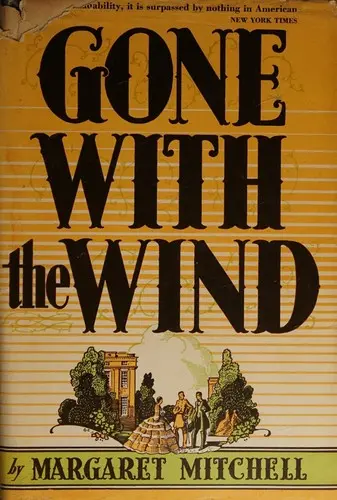

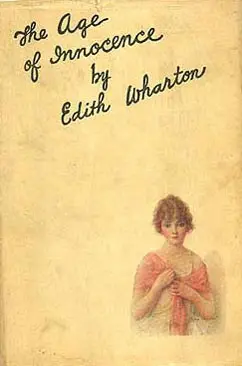
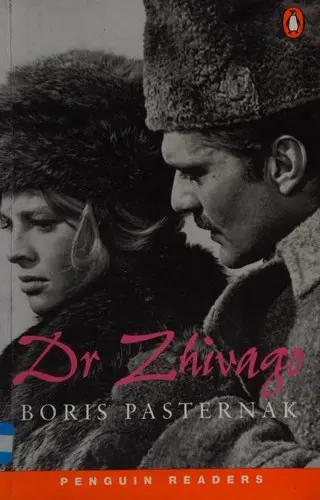

Do not let anyone tell you this is the soft wing. The Age of Innocence has the coldest final page in American fiction, Doctor Zhivago buries its lovers under a revolution, and The English Patient is a burn ward. Love has killed more characters than war. I shelve the swoons too (Outlander is here, unapologetically, because pleasure that works is craft), but the spine of this wing is consequence: what it costs to choose a person, or to fail to. Persuasion is the quietest devastation Austen ever wrote and my favorite thing in the room. Come in for the longing. Stay for the arithmetic of what people give up.
The racism is the complaint that swallows every other one: readers call the depiction of slavery romanticized, and one flatly writes “It's the most racist book I've ever read.” Another goes further, calling it “God's nightie! A thousand-page love letter to slavery!” and a third sums up the whole thousand pages as “This book is the Confederate flag of literature.” Scarlett herself splits people who otherwise admire the craft: selfish, manipulative, and hard to root for across the war and Reconstruction, especially once she starts neglecting her own children for business and men. A chunk of readers stall around the opening chapters before the war reaches Atlanta and call the pacing slow and repetitive, with one admitting flatly, “I want my time back.” Others read the whole book as a Lost Cause apology dressed up as a family saga.
— against Gone with the Wind
At roughly 850 pages, Outlander draws steady complaints about bloat: one reviewer figured 200 pages could vanish without losing a beat, and a critic notes “the pacing could do with some get-up-and-go” through the stretch before the romance takes hold. Claire herself splits readers: some call her “a terrible character and is very unlikable,” more a “window through which I watched the story” than a woman acting on her own. The recurring pattern of Claire endangered and rescued at the last second by Jamie strikes multiple reviewers as repetitive past the point of belief, and an extended, graphic sequence involving the antagonist in the book's final stretch draws real pushback for its severity. A few readers also flag Claire's quick emotional exit from her first husband, Frank, as unconvincing given how long that marriage lasted.
— against Outlander
Jumping between four points of view and two timelines without clear signposting is the complaint that comes up most, readers saying they lose track of who and when. The prose keeps them at a distance too, one writing the book holds “you at too great a distance from them,” and a critic gripes about “beautiful writing just for the sake of beautiful writing” that slows the story rather than serving it. Some call the central relationship more romance than war novel, feeling it oversells its historical premise: “this was more weird romance than it was a war novel.” A simile early on comparing part of the burned patient's body to a sea horse strikes multiple readers as jarringly odd, one dismissing the prose flatly as “as bland as plain yogurt.” A subset of readers also push back on how Bedouin characters are written as needing the protagonist to identify their own equipment.
— against The English Patient
These 56 works open with Pro.