Science Fiction & Fantasy
Other worlds, better questions. Le Guin to Borges.

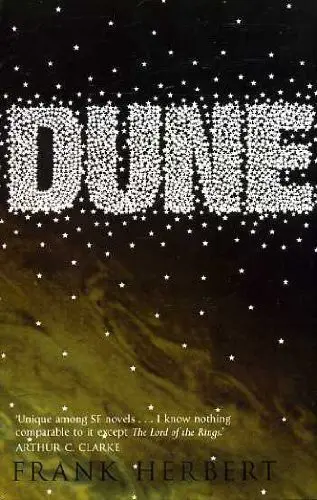
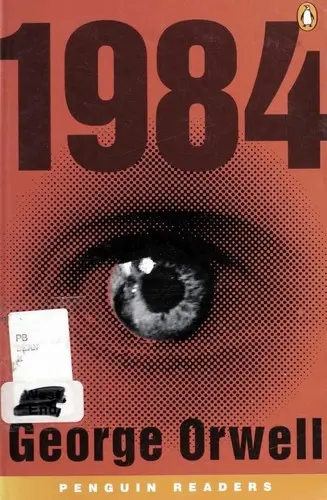
People sneer at this wing until they need it. Every honest question about power ends up in 1984 sooner or later; every question about ecology and God ends up in Dune. Le Guin sits here quietly outwriting most of the literary wing next door; start with The Left Hand of Darkness and see if you disagree. Yes, there are dragons. There are also the only novels that took the twentieth century’s worst ideas seriously before the century did. I keep the trilogies pruned: you will not find book seven of anything unless books one through six deserved it. Half the pleasure is watching which prophecies embarrassed themselves and which read like this morning’s news.
Even admirers stall on the embedded Goldstein book, a multi-chapter political essay dropped into the middle that readers skim and several think should have been cut; one calls it a place you “could as well read the ideology from Wikipedia.” The verdict a lot of them reach is “not a particularly good novel, but a very good essay,” with characters existing mainly to walk you through the argument and Winston flat and passive. Readers call out the misogyny of the first half as not clearly satirical. Some say “Animal Farm by this author is much better,” making the same case in a fraction of the length. And the first third is dense enough that people stall around the eighty-page mark.
— against 1984
The opening is a wall, “extremely hard to understand at the beginning”: Bene Gesserit, kwisatz haderach, mentat, all dropped with little hand-holding, and many readers nearly quit before it clicks. The dialogue is stiff and formal, one reader protesting “his dialogue is prim and scientific, no one would actually speak,” which flattens characters into mouthpieces. Others echo that “Princess Irulan’s epigraphs spoil the plot,” previewing where events land. The women hold real power but it runs almost entirely through influence over men and reproduction. And a subset simply find long stretches boring, self-serious to the edge of parody, whatever its standing in the genre.
— against Dune
The first hundred pages before the Fellowship even leaves the Shire are the great stall-out, “such a chore to read” that one reader counts “more than 100 pages just to leave to go on the adventure.” Tom Bombadil divides people hard, defenders calling him a breather, others calling the whole episode dead weight a normal edit would cut. The songs get skipped outright, one reader saying “if I could skip the songs and poetry I would be done.” The women have almost no agency, present as symbols for the men around them. Post-colonial readers flag good and evil mapped onto racial and geographic coding that has not aged well. And the ending winds down long past its climax.
— against The Lord of the Rings
These 95 works open with Pro.