Literary Fiction
The novels that survived. Tolstoy to Ferrante.
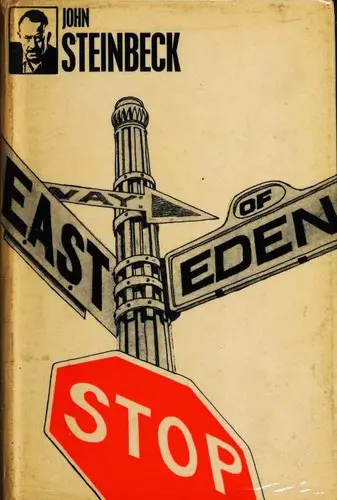
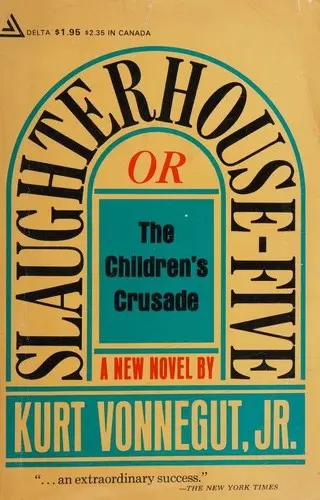
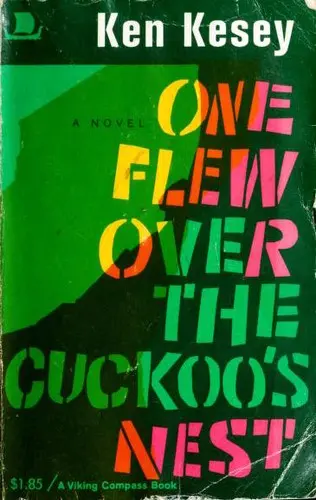
This is the wing where the arguments never settle. Tolstoy thought Shakespeare was a fraud. Nabokov taught Anna Karenina with a diagram of the train and dismissed Dostoyevsky as a journalist. Somewhere past this door Ahab is still nailing his doubloon to the mast, Emma Bovary is still ruining herself on credit, and Leopold Bloom is still frying a kidney on June 16th, 1904. I will tell you to your face which of these are shorter than their reputations and which earn every page. Middlemarch earns them. Ulysses makes you earn them. Gatsby you could read tonight and argue about for ten years. Bring your patience: the dead are excellent company, but they refuse to be skimmed.
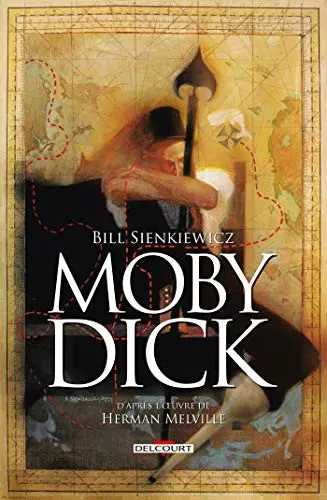
"I would rather be harpooned than read this book ever again." By one reader's arithmetic, "85% of this book is various lessons on whaling," rope history, species taxonomy, an essay on the color white, delivered while the story you were promised idles offstage. "The whole middle of this book is pretty much a wash," another concludes, and teachers quietly agree, assigning students to skip entire chapters that nobody reports missing. The diction runs archaic, the sentences long enough to lose their subject en route to the verb, and the loving documentation of rendering down living whales turns stomachs the book never checks on. "Repetitive, expressionless and soul destroying": an adventure novella buried under the blubber.
— against Moby-Dick
"Dorothea is an insufferable, stuck-up know-it-all and I hate her." So runs one reader's verdict on the moral center, and even an eminent admirer of the book conceded she can strike a modern reader as "a blue-stocking bore." The logistics wear people down before the philosophy does: one reader "confused a lot of the characters because everyone's name begins with F," and the middle is a dry flat of introductions and essayistic asides indistinguishable from plot. Two hundred pages of marriage-prospect arithmetic pass before anything resembling an event. "Totally unnatural, asexual characters," complains another; nobody in the county appears to have a body. And underneath it all, the simplest objection: "I am sick of books being too long." The wit is real. The wait is unconscionable.
— against Middlemarch
"I hate every character in it. I hate the supposedly brilliant prose." The milder camp lands on "a good book, though it is so ridiculously overrated." The cast is the sticking point, rich people unhappy about riches, observed by a narrator too passive to matter, and "the overall shallowness of the characters frustrated me" is the polite version. Daisy barely exists on the page; one reader notes "things that came out of her mouth were things that she cried," sobbed, or laughed, an absence where the object of two men's ruin should stand. One famous review is a single line. At least it is short.
— against The Great Gatsby
These 67 works open with Pro.