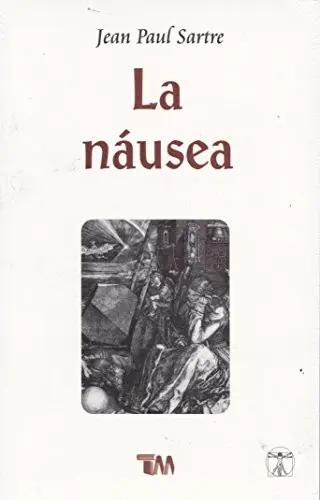
Nausea
Jean-Paul Sartre · 1938
Antoine Roquentin's sudden, overwhelming awareness that existence is contingent, meaningless, and nauseating: that is Sartre's philosophy made visceral and personal. The chestnut tree scene remains the definitive literary evocation of existential vertigo. Published in 1938, it is the founding text of existentialist fiction.
Literary Fiction · the Pro canon
The case for it and the rest of the canon open with Pro.
if this one calls to you, so will these →