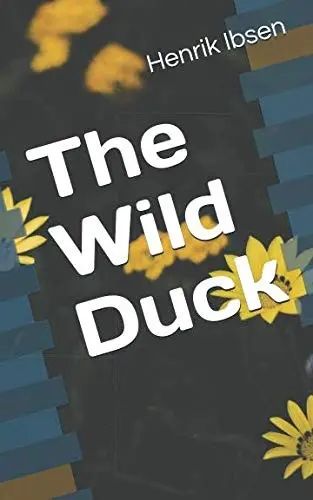
The Wild Duck
A self-righteous idealist insists on telling a family the truth about their past and destroys them. Ibsen wrote it as a corrective to his own reputation: after A Doll's House made him the champion of truth-telling, he wrote a play arguing that some people need their illusions to survive. It's his most ambiguous work, and maybe his best.
Gregers Werle spends the play on a crusade to blow up the household's comforting lie, and modern critics find it hard to credit: his pressure on the teenage daughter Hedvig toward a drastic proof of loyalty reads to reviewer after reviewer as excessive. The plot leans on long-buried secrets and suspiciously convenient timing that strikes contemporary critics as contrived rather than earned. One critic flagged a musician wandering on and off between scenes as “an unneeded reminder that we're watching a play,” and another called the constant swing between farce and tragedy a “teeter-tottering tone.” One harsher critic went further, admitting that the moment where Gregers pushes Hedvig toward sacrificing the duck “has jumped the shark.” Critics also point to Miller's All My Sons and O'Neill's The Iceman Cometh as handling the same comforting-lie theme more convincingly, a sign this one has aged less well by comparison.
The case for it and the rest of the canon open with Pro.