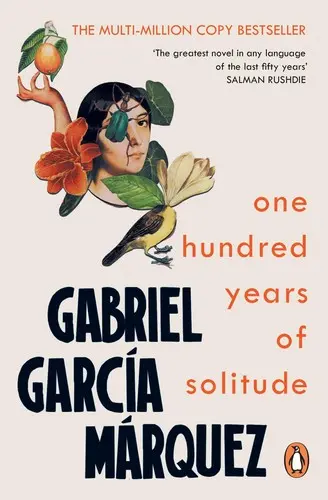
One Hundred Years of Solitude
Decide its fate
The record
Time
An eveningA season417 pages, about 8 hours: the length of 1.3 typical books on the shelf.
Getting in
Walk right inSteep climbTwo readers report nearly quitting within the first hundred pages, one specifically between pages fifty and sixty.
What it gives
Plot and actionIdeas to live byIn 11 reviews from critics and book blogs, 2 credit the plot and 7 credit the ideas or a change in how they live.
One of a kind
Others do thisNothing else doesA Scroll.in critic ranks Love in the Time of Cholera, on the shelf at 348 pages, above this novel.
The case for it
on Macondo’s atmosphere
“Macondo oozes, reeks and burns even when it is most tantalizing and entertaining.”
Robert Kiely · The New York Times, 1970 on the family tree
“This extraordinary novel obliterates the family tree in a prose jungle of overwhelming magnificence”
Paul West · The Washington Post, 1970 on Ursula the matriarch
“The only character who I really enjoyed was Úrsula, the wife of the founder”
three stars · a book blog on the pace
“the pace never stops even for a single sentence”
three stars · a book blog
The case against
on the first hundred pages
“I probably would’ve DNF’d in the first hundred pages.”
three stars · a book blog on the repeated names
“Plus they all had the same names and I never remembered which Aureliano was which.”
two stars · a book blog on the ending
“Less engaging stories and reduced character development towards the end.”
a book blog on the Arcadios and Aurelianos
“there are four Arcadios from the sire Jose Arcadio and six Aurelianos”
Kirkus Reviews, 1969