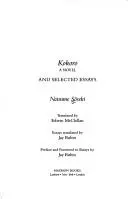
Kokoro
Natsume Soseki · 1914
Soseki is to Japanese literature what Dickens is to English: the central figure. Kokoro (meaning "heart/mind"), published in 1914, is a meditation on loneliness, honor, and the transition from Meiji-era to modern Japan. The Sensei's final letter is a devastating set piece, among the most wrenching in world fiction.
Literary Fiction · the Pro canon
The case for it and the rest of the canon open with Pro.
if this one calls to you, so will these →