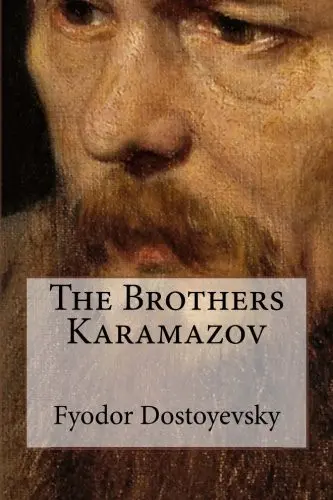
The Brothers Karamazov
Decide its fate
The record
Time
An eveningA season360,346 words, 24 hours at 250 words a minute: the length of 2.7 typical books on the shelf.
Getting in
Walk right inSteep climbStalls cluster in the first 150 pages; the murder comes near the halfway mark.
What it gives
Plot and actionIdeas to live byIn the first 30 Goodreads reviews, 5 credit the plot and 13 the ideas or a change in how they live.
One of a kind
Others do thisNothing else doesReaders name Crime and Punishment, also on the shelf at 551 pages, as the better Dostoevsky.
The case for it
on the old monk
“The scene with the old monk at the beginning of ‘The Brothers Karamazov’ is in the very grandest heroical manner. There is nothing in either English or French prose literature to hold a candle to it.”
Arnold Bennett · Books and Persons, 1917 on what it is
“a work of sublime theology disguised as a page-turning whodunit”
Brian Zahnd, on Substack on the pace
“I zipped through three hundred pages like it was butter”
five stars · Goodreads on Ivan’s chapters
“among the greatest chapters I have ever read”
five stars · Goodreads
The case against
on the whole book
“But it’s an impossible lump of valuable matter. It’s terrifically bad and impressive and exasperating.”
Joseph Conrad · letter to Edward Garnett, 27 May 1912 on the length
“Somewhere beneath the bulk is a slender novel a few hundred pages shorter”
three stars · Goodreads on the effort
“I hope I never encounter a book this hard to endure again”
four stars · Goodreads on Alyosha
“runs back and forth carrying messages between all the characters”
a comment on a book blog