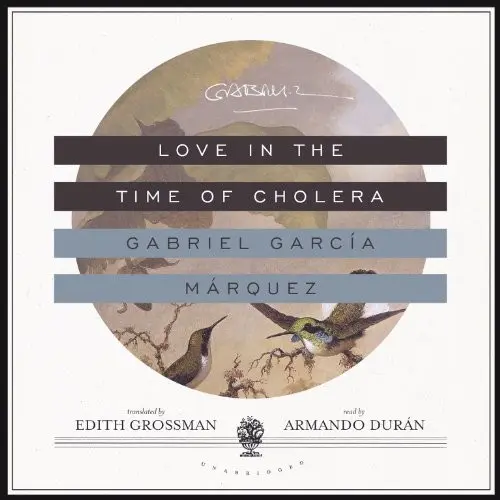
Love in the Time of Cholera
Decide its fate
The record
Time
An eveningA season348 pages, about 7 hours: about the length of a typical book on the shelf.
Getting in
Walk right inSteep climbOne reader reports repeatedly putting the book down in the opening pages before pushing through.
What it gives
Plot and actionIdeas to live byIn 18 reviews from critics and book blogs, 4 credit the plot and 9 credit the ideas or a change in how they live.
One of a kind
Others do thisNothing else doesTwo reviewers rate García Márquez’s One Hundred Years of Solitude, on the shelf at 417 pages, above it.
The case for it
on Dr. Urbino’s confession
“the doctor’s confession to his wife of a late-in-life indiscretion”
Kirkus Reviews, 1988 on the prose
“from the mundane to the sensual in the blink of an eye”
a book blog on writing about aging
“a book about aging written in some of the strongest prose”
a book blog on Florentino’s devotion
“is one that redefines the meaning of love”
a Substack review
The case against
on América Vicuña
“his relationship with America, the fourteen year old girl”
a book blog on Florentino’s fixation
“Florentino Ariza’s decades-long love isn’t romantic; it’s creepy.”
a book blog on Fermina’s character
“Fermina is far from a strong female character”
five stars · a Substack review on the length
“the book would probably have been 30 pages less”
a book blog