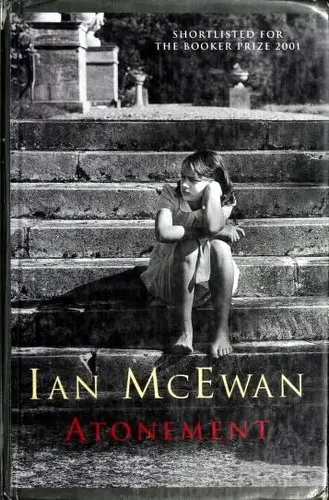
Atonement
Decide its fate
The record
Time
An eveningA season384 pages, about 8 hours: the length of 1.2 typical books on the shelf.
Getting in
Walk right inSteep climbThree readers stalled in Part One, the day at the Tallis house, one of them at page 150.
What it gives
Plot and actionIdeas to live byIn 13 reviews from critics and book blogs, 3 credit the plot and 6 credit the ideas or a change in how they live.
One of a kind
Others do thisNothing else doesA book blog sends its readers on to Never Let Me Go and The Remains of the Day, at 319 and 254 pages.
The case for it
on Part One
“Part One is lush, beautiful, and almost sinister in its suspense”
five stars · a book blog on the summer day
“That summer day stretches like elastic.”
a book blog on the Dunkirk scenes
“strengthened my understanding of what sort of hell on earth this was”
a Substack review on the hospital scenes
“The writing detail left me speechless”
five stars · a book blog
The case against
on Emily Tallis’s migraine
“the chapter gave me a headache”
two stars · a book blog on the page count
“It was written like someone trying desperately to hit a page count.”
a book blog on the characters
“I wasn’t too taken with any of the characters.”
four stars · a book blog on dialogue and action
“Readers who love dialog and action scenes won’t like this book.”
a Substack review