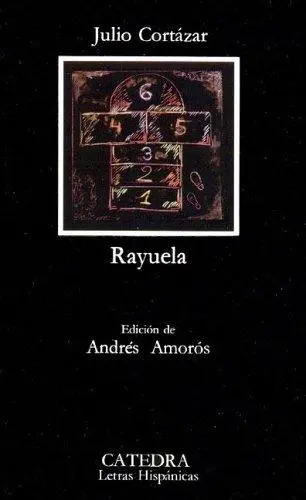
Hopscotch (Rayuela)
Julio Cortázar · 1963
Cortazar's 1963 novel can be read in two ways: straight through, or by following a different chapter sequence using the author's instructions. Its Paris-to-Buenos Aires dislocation, jazz-inflected prose, and intellectual playfulness made it the literary touchstone of 1960s Latin America. The novel that taught a continent's literature to be formally experimental.
Literary Fiction · the Pro canon
The case for it and the rest of the canon open with Pro.
if this one calls to you, so will these →