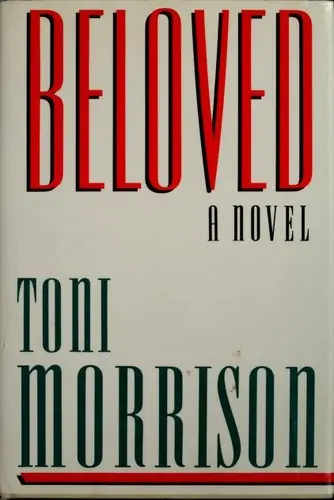
Beloved
Decide its fate
The record
Time
An eveningA season330 pages, about 7 hours: about the length of a typical book on the shelf.
Getting in
Walk right inSteep climbTwo readers report struggling through the first fifty pages before the fragmented timeline and shifting narration became clear.
What it gives
Plot and actionIdeas to live byIn 12 reviews from critics and book blogs, none credit the plot and 6 credit the ideas or a change in how they live.
One of a kind
Others do thisNothing else doesThe New York Public Library’s blog pairs it with Morrison’s own Song of Solomon, on the shelf at 341 pages.
The case for it
on the prose
“rich, graceful, eccentric, rough, lyrical, sinuous, colloquial and very much to the point.”
Margaret Atwood · The New York Times Book Review, 1987 on the shifting narrators
“changes between chapters and sections, depending on the point of view of the narrator”
a book blog on the clearing sermon
“one of the great sermons in American fiction, religious or not”
a book blog on the protagonist
“one of the most difficult figures in American fiction”
a book blog
The case against
on the chronology
“Its story line is chopped up and disjointed and fragmentary.”
D. G. Myers · Commentary, 2012 on the ghost’s arrival
“the book never recovers from the arrival of the mysterious ghost-girl.”
a book blog on the length
“the book is super think”
one star · a book blog on the timeline
“I was shaking my head and exclaiming ‘I HAVE NO IDEA WHAT IS GOING ON’”
three stars · a book blog