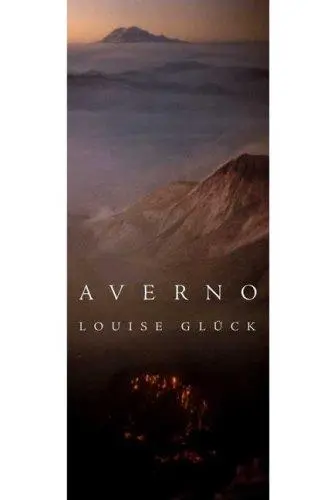
Averno
Gluck's meditations on the myth of Persephone, centered on the lake in Italy that the Romans believed was the entrance to the underworld. The poems function as an extended meditation on death, femininity, and the seduction of annihilation. Her most sustained mythological sequence and arguably her most perfectly sustained collection overall. The Nobel committee cited her work's "unmistakable poetic voice that with austere beauty makes individual existence universal."
Winter, all the way through. Glück tells the Persephone story more than once ('Persephone the Wanderer' appears twice), and the variations circle the same desolation without arriving anywhere new. Particulars are scarce; soul, death, earth, and lake do heavy rotation. The austerity is the achievement and the limit: a whole collection pitched at one cold note, however purely held.
The case for it and the rest of the canon open with Pro.