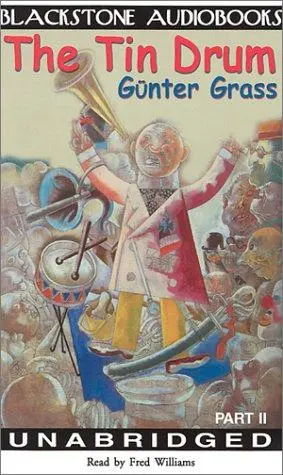
The Tin Drum
Günter Grass · 1959
Oskar Matzerath decides at age three to stop growing. Grass used this conceit and magical realism to write about the rise of Nazism from inside the German experience, with grotesque humor, savage irony, and deep moral seriousness. Published in 1959, it catalyzed the German literary reckoning with fascism. The Nobel committee took note.
Literary Fiction · the Pro canon
The case for it and the rest of the canon open with Pro.
if this one calls to you, so will these →