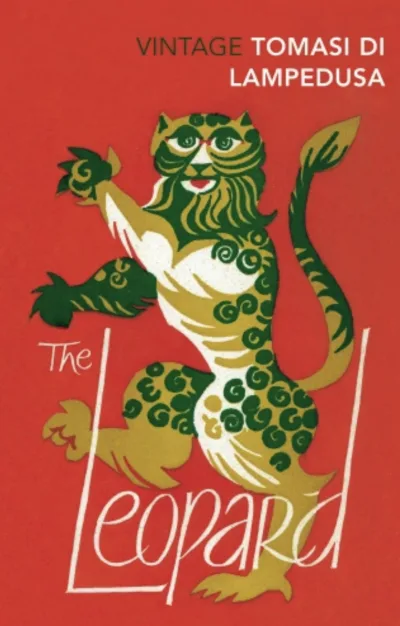
The Leopard
Giuseppe Tomasi di Lampedusa · 1958
A Sicilian prince watches his world end. Don Fabrizio, aging head of the Salina family, sees Garibaldi's redshirts and the rising middle class dissolve the aristocracy he was born into, and meets it with irony rather than resistance. Lampedusa, himself the last prince of a fading Sicilian line, wrote his only novel at the end of his life; the publishers he sent it to turned it down, and it appeared in 1958, the year after he died, then became the best-selling Italian novel of the century.
Literary Fiction · the Pro canon
The case for it and the rest of the canon open with Pro.
if this one calls to you, so will these →