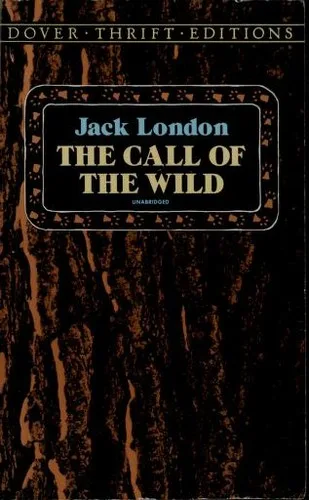
The Call of the Wild
Decide its fate
The record
Time
An eveningA season128 pages, about 3 hours: half the length of a typical book on the shelf.
Getting in
Walk right inSteep climbBuck, Judge Miller’s dog in California, is stolen by the gardener’s helper Manuel to pay a gambling debt.
What it gives
Plot and actionIdeas to live byIn 16 reviews from critics and book blogs, 6 credit the plot and 10 credit the ideas or a change in how they live.
One of a kind
Others do thisNothing else doesLondon’s own White Fang, not on the shelf, comes up in four reviews, one calling the two companion pieces.
The case for it
on the storytelling
“Jack London seems to possess an intuition of the dog life, and the dog heart, an insight which must have come from intimacy and communion with some big, noble, shaggy friend; and the story is related with a simple, direct, dramatic force which enchains interest; and which is art. The Republic unhesitatingly recommends The Call of the Wild as a story of quality, not surpassed by Bob, Son of Battle, and not approached by any other similar tale.”
Unsigned review · The St. Louis Republic, 8 August 1903 on a dog’s mindset
“I don’t think I’ve ever felt so attuned to a dog’s mindset”
four stars · a book blog on Buck’s story
“masterfully draws the reader into Buck’s story and impressively gifts the dog with human-like qualities”
a book blog on the Yukon
“makes it impossible not to appreciate the beauty and terror of the Yukon”
a book blog
The case against
on the length
“only 84 pages of torture”
a book blog on the final chapter
“too short a time to adequately remember much of the story after the final chapter”
three stars · a book blog on the writing style
“London’s adaptive writing style was jarring and, at times, felt a little inconsistent and incoherent.”
a book blog on the violence
“I was in near-physical pain at the horrific violence of man-on-dog and dog-on-dog”
four stars · a Substack review