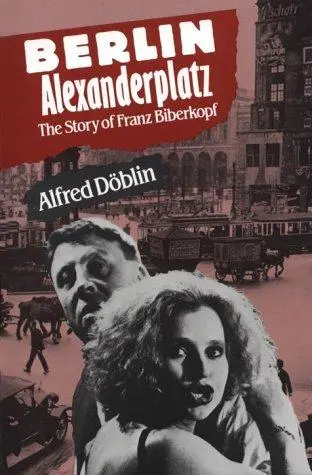
Berlin Alexanderplatz
Alfred Döblin · 1929
The German Ulysses. Doblin tells the story of a Weimar-era ex-convict's life in the Berlin underworld using montage techniques borrowed from cinema and radio: streams of consciousness, newspaper headlines, biblical allusions. Joyce praised it. Published in 1929, it captured Berlin's chaos in a form that matched it.
Literary Fiction · the Pro canon
The case for it and the rest of the canon open with Pro.
if this one calls to you, so will these →